

What makes a brand film work?
Plenty of brand films end up as three minutes of drone shots and adjectives. The ones that work share a few habits, and most of them happen before the shoot.
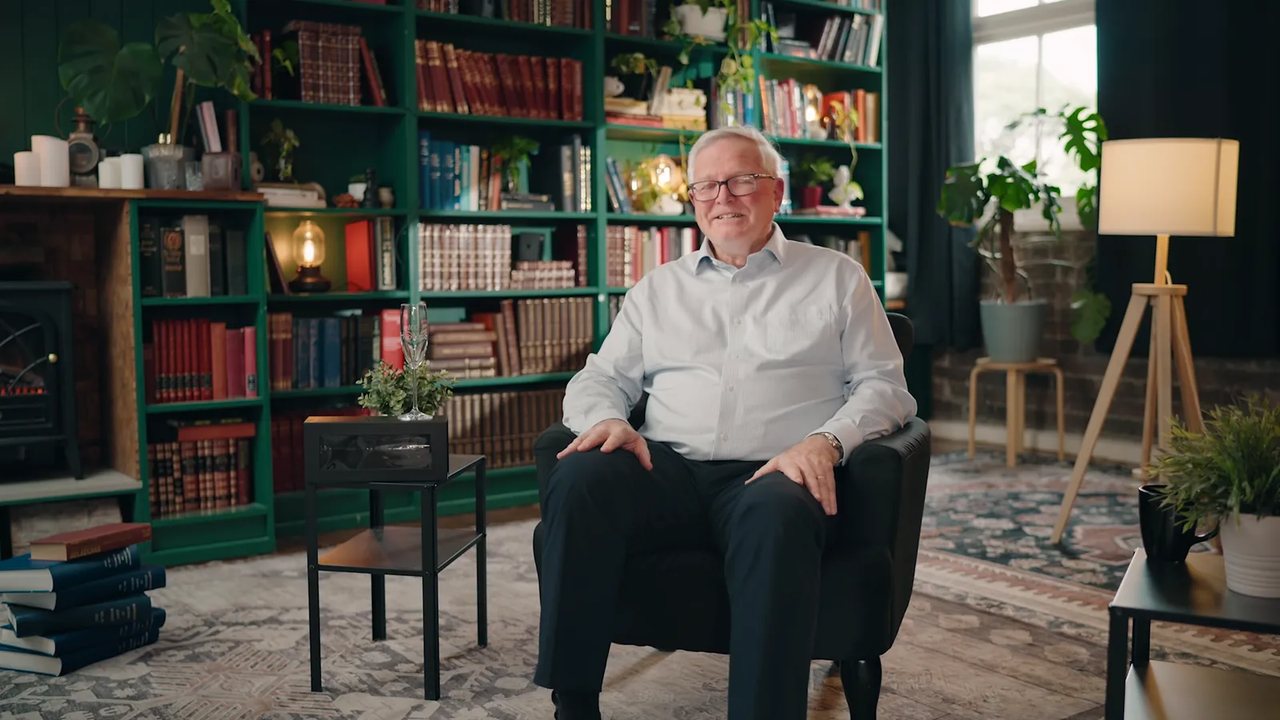
A brand film works when it's built on one clear idea and shows real people rather than reciting values. It runs only as long as the idea needs. Where an ad sells a product, a brand film shows why the company exists, then goes to work on your website and in your sales process.
This guide covers what a brand film is, why most fall flat, how to find the idea worth filming, whether to script or interview and which production choices change the result. It's for founders and marketing managers planning their first film, or unhappy with their last one.
What is a brand film, and what isn't it?
A brand film is the flagship piece that explains who you are and why the business exists. Two to three minutes is typical, and shorter is often better. It lives on your homepage, opens sales conversations, plays at events and gets cut down for social.
It's also a different brief from an ad, an explainer or a case study. Ads sell a product or offer on paid media and are built for a few seconds of attention. An explainer walks through how something works, and a case study proves a result for one client. Each of these is useful, but trying to cover more than one in the same film is a common reason brand films lose focus.
The distinction matters because a brand film gets used differently. A good one is sent by salespeople before first meetings, embedded in proposals and watched by job candidates the night before an interview.
Why do most brand films fall flat?
The weak ones usually fail in one of four ways.
- Written by committee. Every department adds its own message until the film is carrying too many for anyone to remember.
- Adjectives instead of evidence. Words like 'passionate', 'dedicated' and 'customer-focused' could describe almost any company, so the viewer takes nothing away.
- No person to follow. Without a founder, a customer or a staff member at the centre, the viewer has nobody to watch or care about.
- No tension. If nothing is at stake, there's no reason to keep watching. Your business exists because a problem was worth solving. Let that problem feel real before the film resolves it.
None of these are production problems. A committee script shot on the best camera in the country still comes out flat, so the fixes below start with the thinking and leave gear until last.
What's the one-idea test?
Before anyone writes a script, finish this sentence: after watching, the viewer should understand that ______. Keep it to one idea, in plain words, the way you'd say it out loud.
Usually it's a truth about your customer's world: what they're trying to protect, or what changes for them when the job is done properly. A weak answer is 'we're passionate about quality'. A useful one sounds more like this: the viewer should understand that this is the practice their family will still be visiting in twenty years, or that every job here is planned twice before anyone lifts a tool. Both are specific enough to prove on camera, and both are about the customer rather than the company's opinion of itself.
Then apply the test to everything. Any scene, line or shot that doesn't prove the idea gets cut, and that usually includes the company history and the office tour. What's left is shorter and easier for a viewer to pass on.
The test is also the cheapest quality control in the process, because it happens before anyone is booked. Fixing a weak idea after the shoot often means paying for much of the film again.
Should you script it or build it from interviews?
Brand films are usually made one of two ways.
A scripted film, with voice-over or a presenter, gives you full control of message and pacing. It suits a strong creative concept and needs a good writer, because a mediocre script read by a voice artist sounds like an ad from fifteen years ago.
An interview-led film is built from real people answering real questions, with the story assembled in the edit. It trades some control for believability. For most businesses that's the better route, because viewers tend to trust your own people more than a narrator. The craft sits in the interviewing and the edit. We've written separately about getting real people to sound like themselves, because the whole approach depends on it.
For most small and mid-sized businesses, we recommend an interview-led film held together by a tight one-idea brief. Go scripted only when there's a concept strong enough to justify it and the budget to do it properly.
Which production values actually matter?
In order of importance: sound, light, edit rhythm, then camera movement. Viewers will sit through an ordinary frame, but bad audio loses them fast. If the budget is tight, spend it on crew before gear.
- Sound comes first. Put a lapel or boom mic on everyone who speaks, and record in a quiet or treated space.
- Light on faces should be shaped and deliberate, which usually means fewer setups done properly.
- The edit sets the rhythm: cutting to the idea, letting moments breathe, choosing music for pace rather than fashion and keeping the colour grade consistent.
- Use drone shots and gimbal moves when they serve the idea, and leave them out when they don't.
On cost, the usual baseline is a multi-camera shoot day with an edit package, which typically runs $5,000–15,000 in the Australian market. Concept development, talent, multiple locations and heavy post-production push it higher. The full breakdown is in what content production actually costs.
What happens after launch?
Launch week is a small part of a brand film's life. The businesses that get their money's worth plan distribution as part of the brief.
Put the film where decisions happen: the homepage, the about page, proposals, tender responses, new-hire onboarding and the screen behind you at events. Ask the sales team to send it before first meetings.
Then plan the cutdowns. Vertical versions of 30 to 60 seconds should come from the strongest moments, identified before the shoot rather than hunted for afterwards. That way one shoot gives you clips for social as well as the main film.
Refresh it when the business changes in a real way, such as new positioning or new markets, or when the team no longer looks like the one in the film. For most businesses that's years away. A film built on one true idea ages slowly, because the idea was never tied to a single campaign.
Judge the film by what people do with it. The clearest sign is salespeople sending it without being asked. Prospects mentioning it in meetings matters too, and so does viewer retention on the pages where it's embedded. If the team has to be reminded to share it, the film isn't doing its job.

Rather have this done for you?
Tell us what needs filming and when you need it. We'll plan the day around it and reply within one working day.
Questions we actually get
How long should a brand film be?
As short as the idea allows. Two to three minutes is common, and under two is often stronger. If a viewer would happily watch another thirty seconds, the length is about right. Vertical cutdowns take the film to social feeds, where few people will sit through three minutes.
What's the difference between a brand film and a corporate video?
Corporate video is the umbrella term for anything a business commissions, such as training, event coverage, explainers or case studies. The brand film is the flagship piece about who you are and why you exist. It's made for strangers deciding whether to trust you, which is why it belongs on the homepage.
Do we need actors and a script?
Usually not. For most businesses, an interview-led film built on your own people is more believable and better value than a scripted production with actors. A script and paid talent make sense when the creative concept is strong and the budget can carry it.
How much does a brand film cost?
The usual baseline is a multi-camera shoot day with an edit package, typically $5,000–15,000 in the Australian market. Concept development, talent, multiple locations and heavy post-production take it higher. The idea matters too, because a strong, simple idea is often cheaper to film than a weak, complicated one.
Where should we use a brand film?
Use it anywhere a stranger is deciding whether to trust you: your homepage and about page, proposals, sales emails before first meetings, events and recruitment. Cut it down into vertical clips for social as well. If it only lives on YouTube with a launch post, most of its value is wasted.
Keep reading
Facts and pricing last verified July 2026. Written by the Visual Lab studio.